


NEWS
—— NEWS CENTER ——
Urea, a common fertilizer, plays an indispensable role in agricultural production. It is a fertilizer high in nitrogen, significantly promoting crop growth, increasing yield, and improving quality.
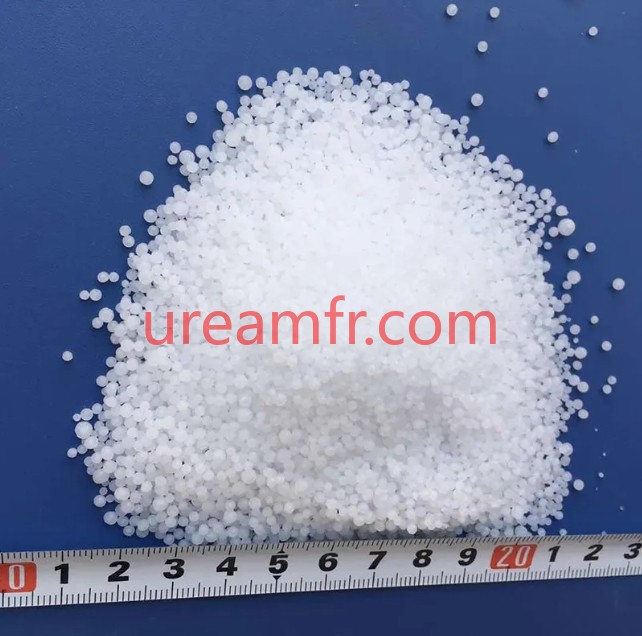
The main function of urea is to provide nitrogen to plants. Nitrogen is one of the essential macronutrients required for plant growth and development, playing a crucial role in its development. Nitrogen promotes leaf growth, increases leaf area, and improves photosynthetic efficiency, thus providing sufficient energy and material for plant growth and development.
Urea is widely used in agricultural production. Here are some common applications:
First, urea can be used as a base fertilizer. Before sowing or transplanting, an appropriate amount of urea is evenly applied to the soil to provide nitrogen nutrition throughout the crop's growth cycle.
Second, urea is also commonly used as a top dressing. Timely application of urea during key growth stages, such as the seedling stage, tillering stage, and flowering and fruiting stage, can meet the crop's nitrogen needs and promote crop growth and development.
Furthermore, urea can also be applied through foliar spraying. This method can quickly replenish nitrogen for plants, especially when crop root systems have weak absorption capacity or soil fertility is insufficient; foliar spraying of urea can be very effective.
To more intuitively illustrate the application of urea in different crops and growth stages, a simple table is provided below:
Crop | Growth Stage | Urea Application Rate (kg/acre) | Application Method
Wheat | Greening Stage | 10-15 | Broadcast or furrow application
Corn | Tasseling Stage | 15-20 | Hole application
Rice | Tillering Stage | 8-12 | Broadcast application
Vegetables | Vigorous Growth Stage | 5-10 | Foliar spray or fertigation
It is important to note that while urea plays a vital role in agricultural production, it is crucial to master the appropriate dosage and application method. Excessive use of urea may lead to soil compaction, environmental pollution, and excessive crop vegetative growth. Therefore, when using urea, the application rate and timing should be scientifically and rationally determined based on soil fertility, crop variety, and growth stage to achieve the best fertilization effect.
In summary, urea, as an important agricultural fertilizer, plays a vital role in providing nitrogen nutrition to crops and promoting agricultural production. The correct and rational use of urea is of great significance for improving agricultural production efficiency, ensuring the quality of agricultural products, and safeguarding the ecological environment.